There are dinners à la bonne franquette, often last minute, where good friends are happy to gather around the kitchen table, or even the coffee table, in great simplicity.
And there are dinners, just as joyful, that ask for a little more preparation: a staging of the table, a know-how woven into French culture. Setting a table à la française follows a handful of codes, taught to us by our mothers and grandmothers, keepers of this tradition of the art de la table.
Rules of good manners are made to be bent, of course. So let us learn them first, and be daring afterwards: mixing convention and fantasy is what gives a table its touch of madness.
The rules first. The madness will come in its own time.
A simple table setting, for every day
For an everyday dinner, begin with the essentials: one plate, the cutlery needed for the meal, a water glass and, if you wish, a wine glass. Keep about 60 centimetres for each guest and leave the middle of the table free for dishes. The same principles apply when the table becomes more formal; only the number of pieces changes.
The tablecloth, and what goes underneath
First, the molleton, which the French also call bulgom: a thick felt-like undercloth that protects the table, softens the sound of the plates and keeps everything from sliding. It is less a rule than a wise precaution; if you have none, a folded sheet will do. Avoid a loose blanket, unless you want to watch the whole table slide onto your guests' knees.
Then the tablecloth itself. Trust your taste: with white tableware, almost anything works; printed cloths are sometimes harder to match. White linen, once kept for ceremonies, baptisms, communions and weddings, now graces any occasion. No tablecloth at hand? A beautiful white sheet has saved many dinners.
Setting the plates
For a table where everyone can breathe, allow about 60 cm between each place, and set the plates two or three centimetres from the edge of the table. We are not in Downton Abbey's dining room: Carson will not come and measure.
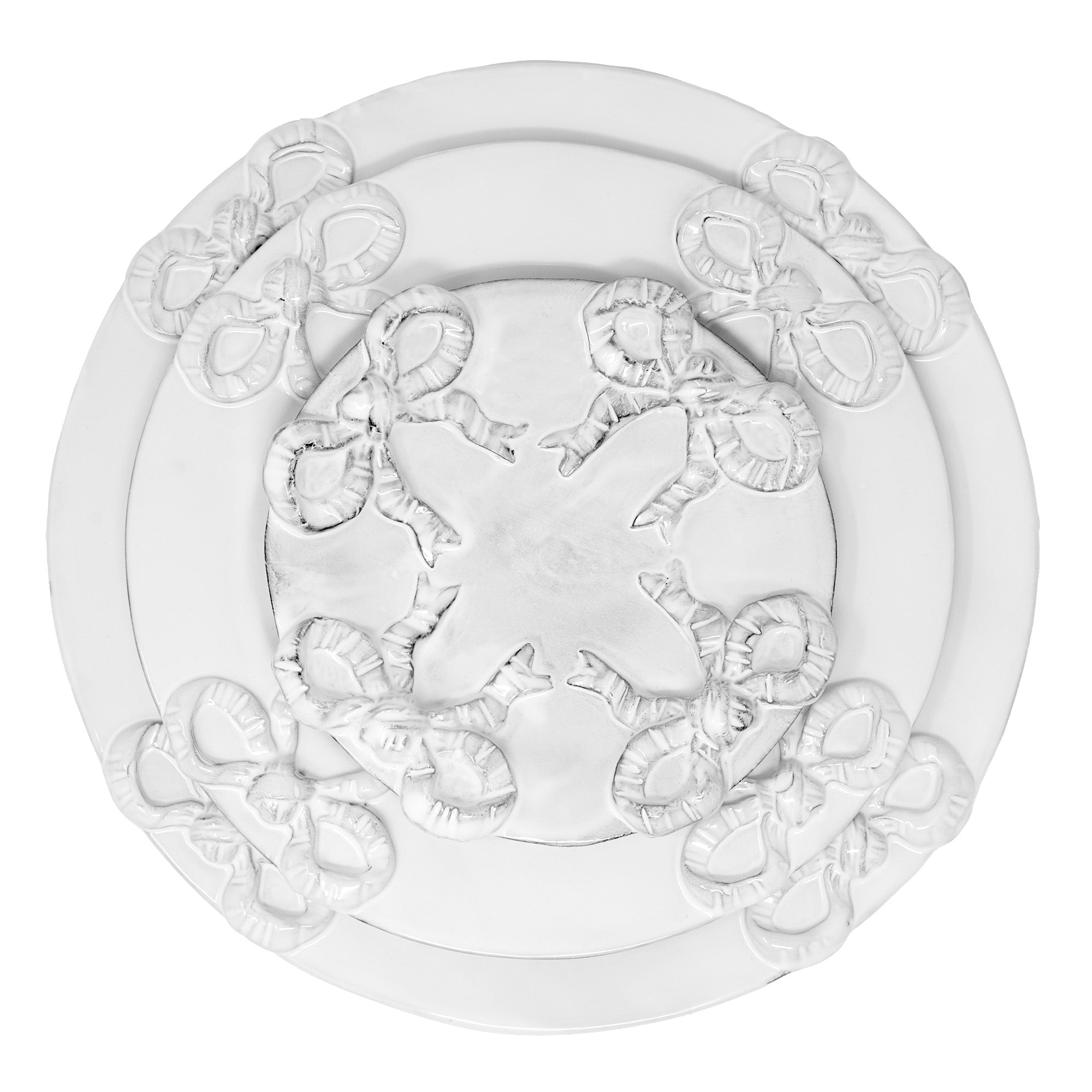
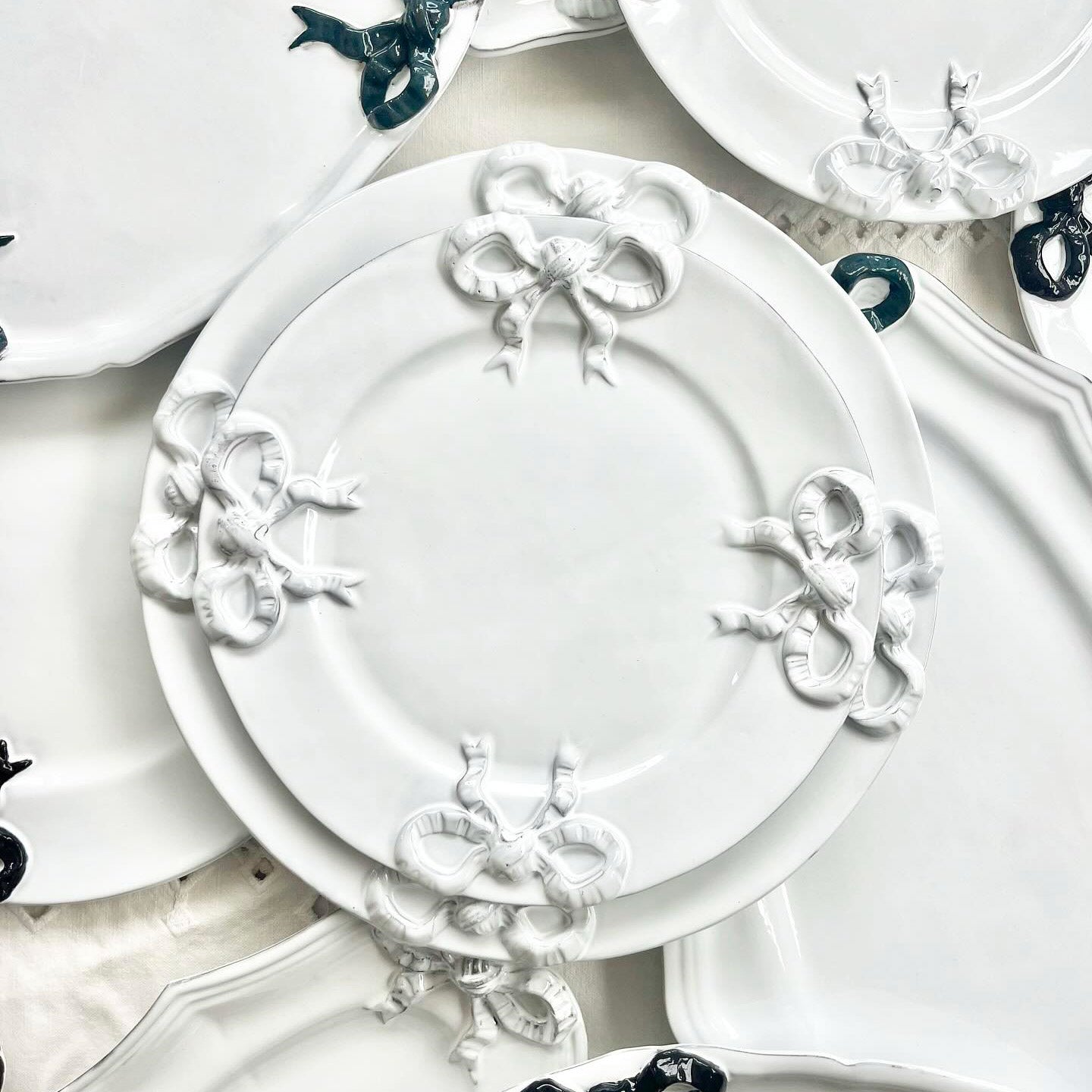
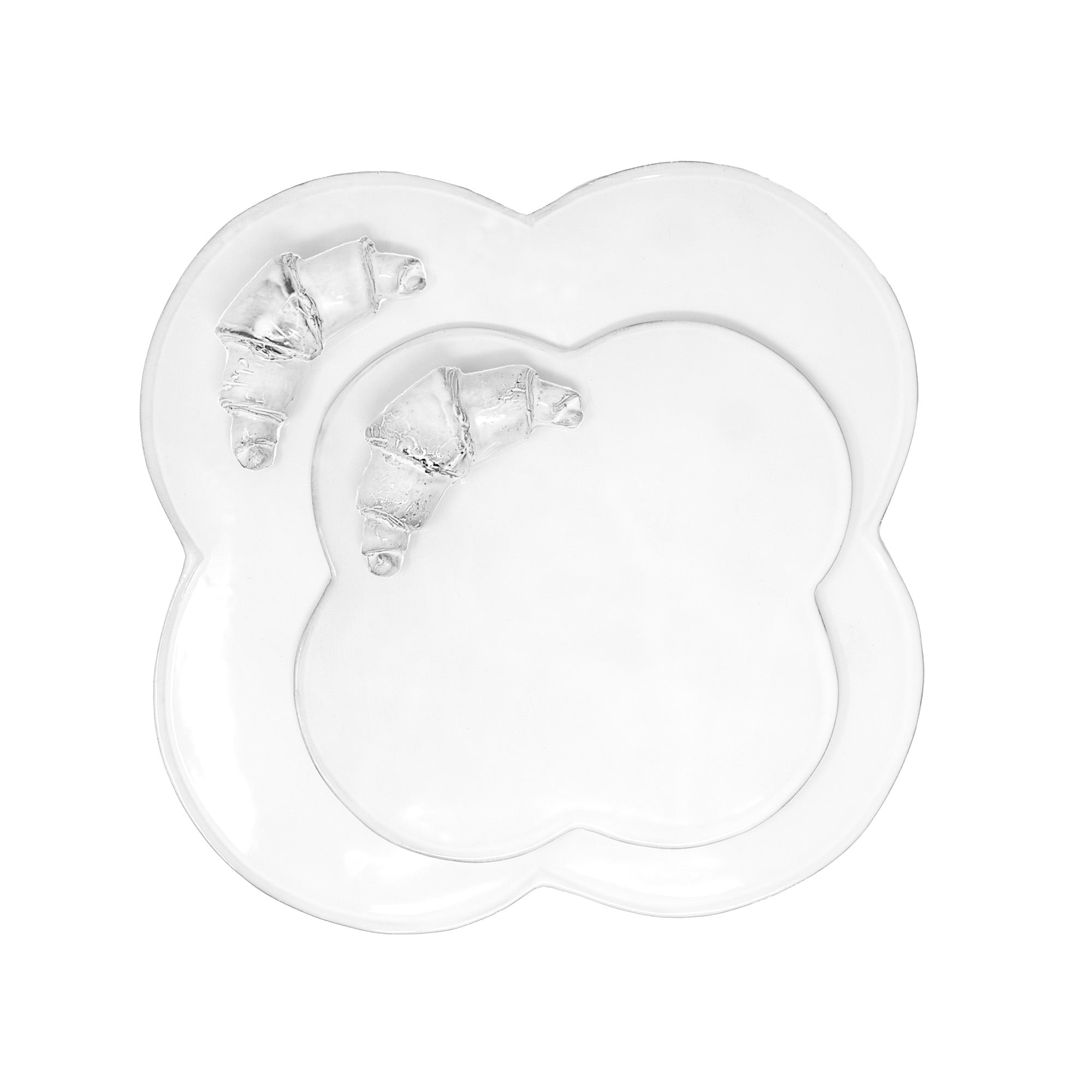
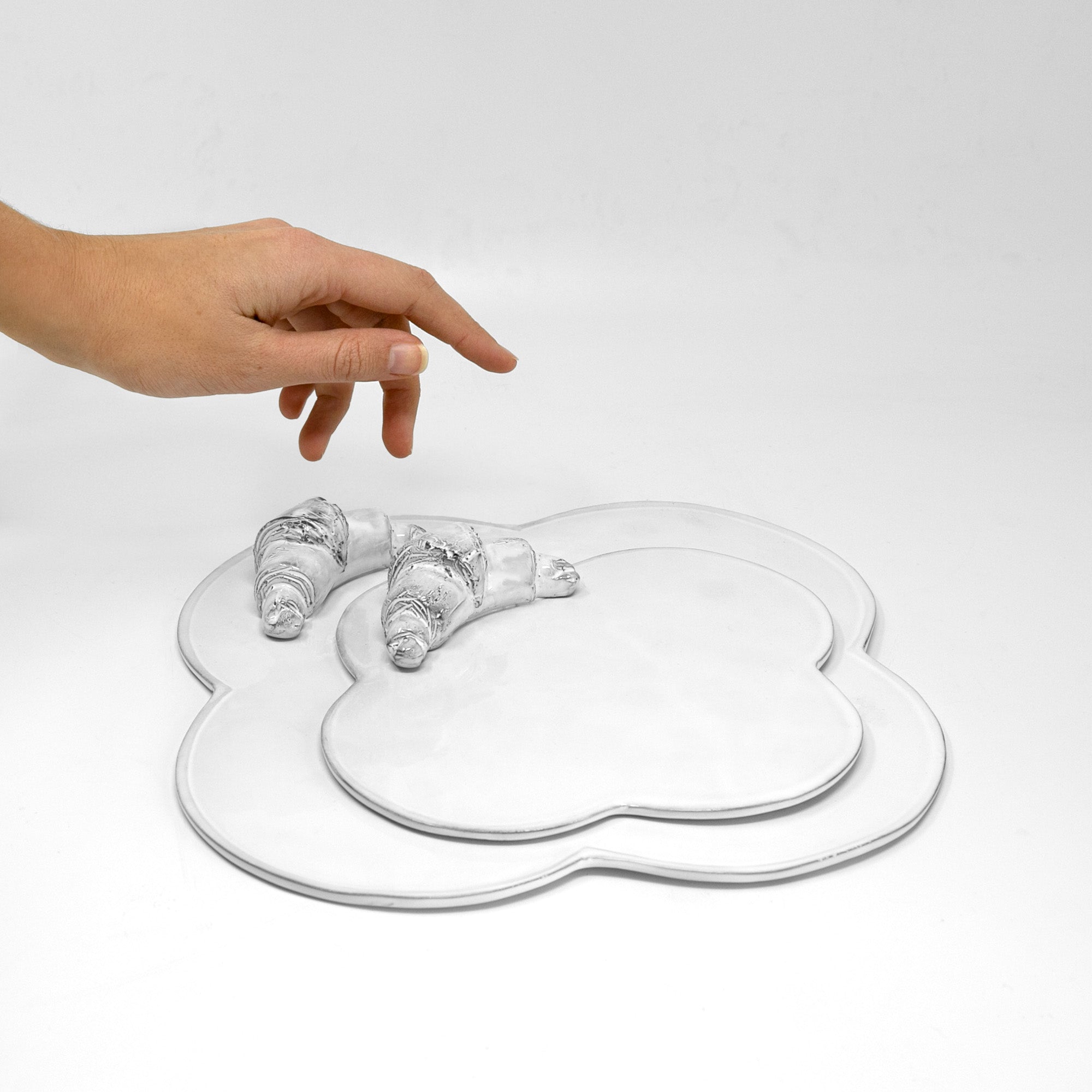
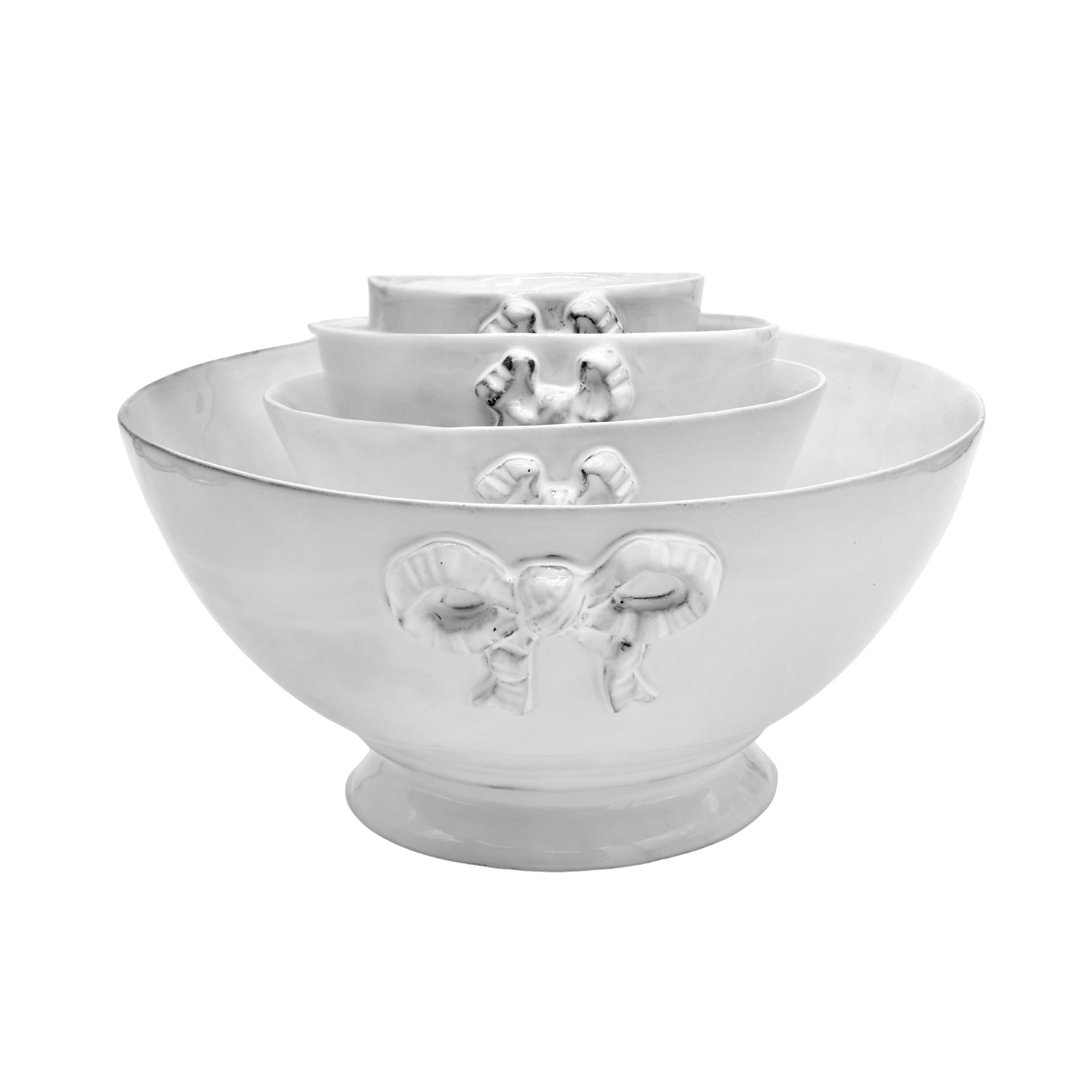
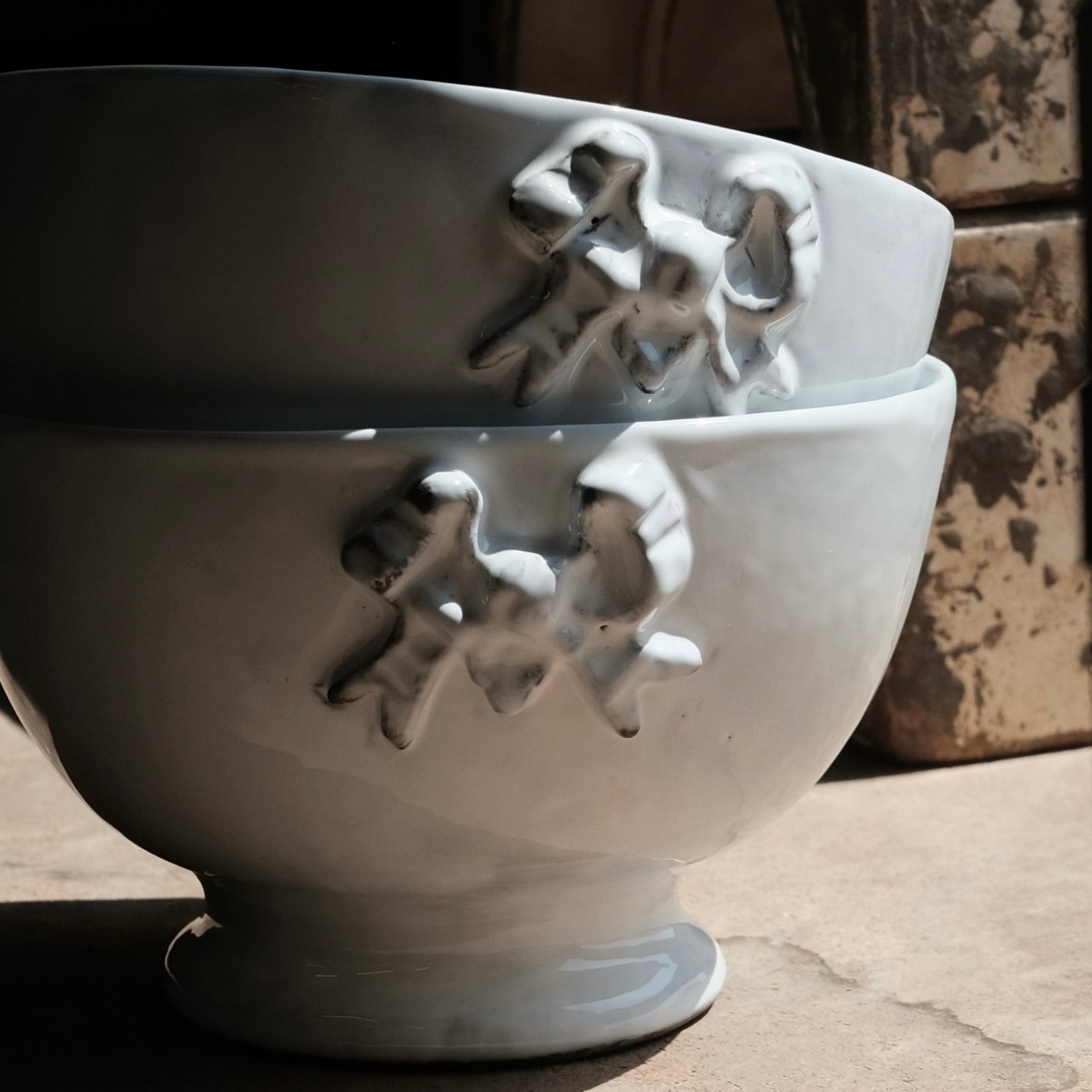
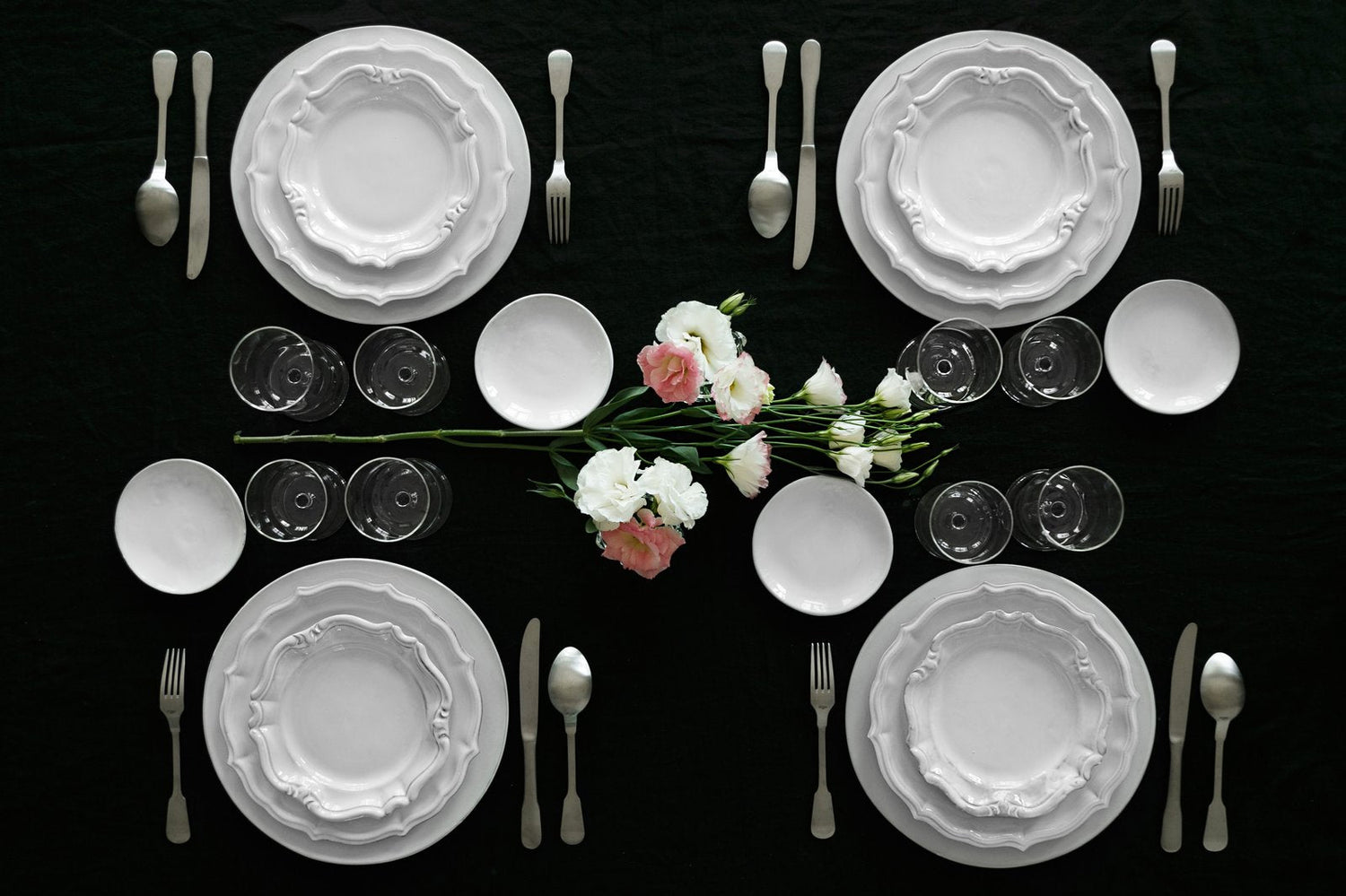
Three kinds of plates share the work: the large dinner plate for presentation or the main course, the soup plate for soup, the small plate for cheese and dessert. The soup plate sits on the dinner plate, and may be replaced by a lovely bowl placed at its centre. The presentation plate may stay on the table throughout the meal, but two plates of the same rank are never stacked. At a formal dinner, plates are changed with every course.
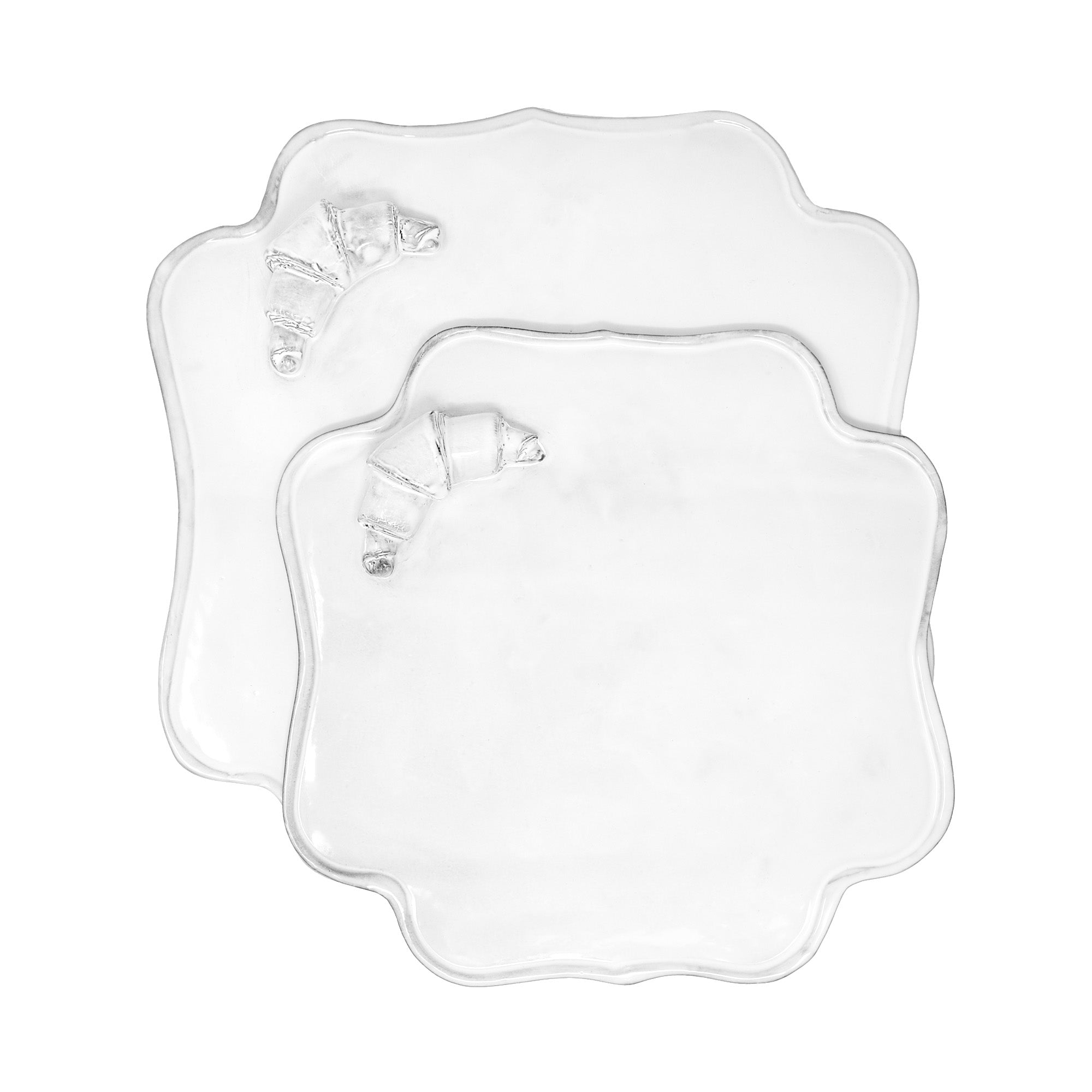
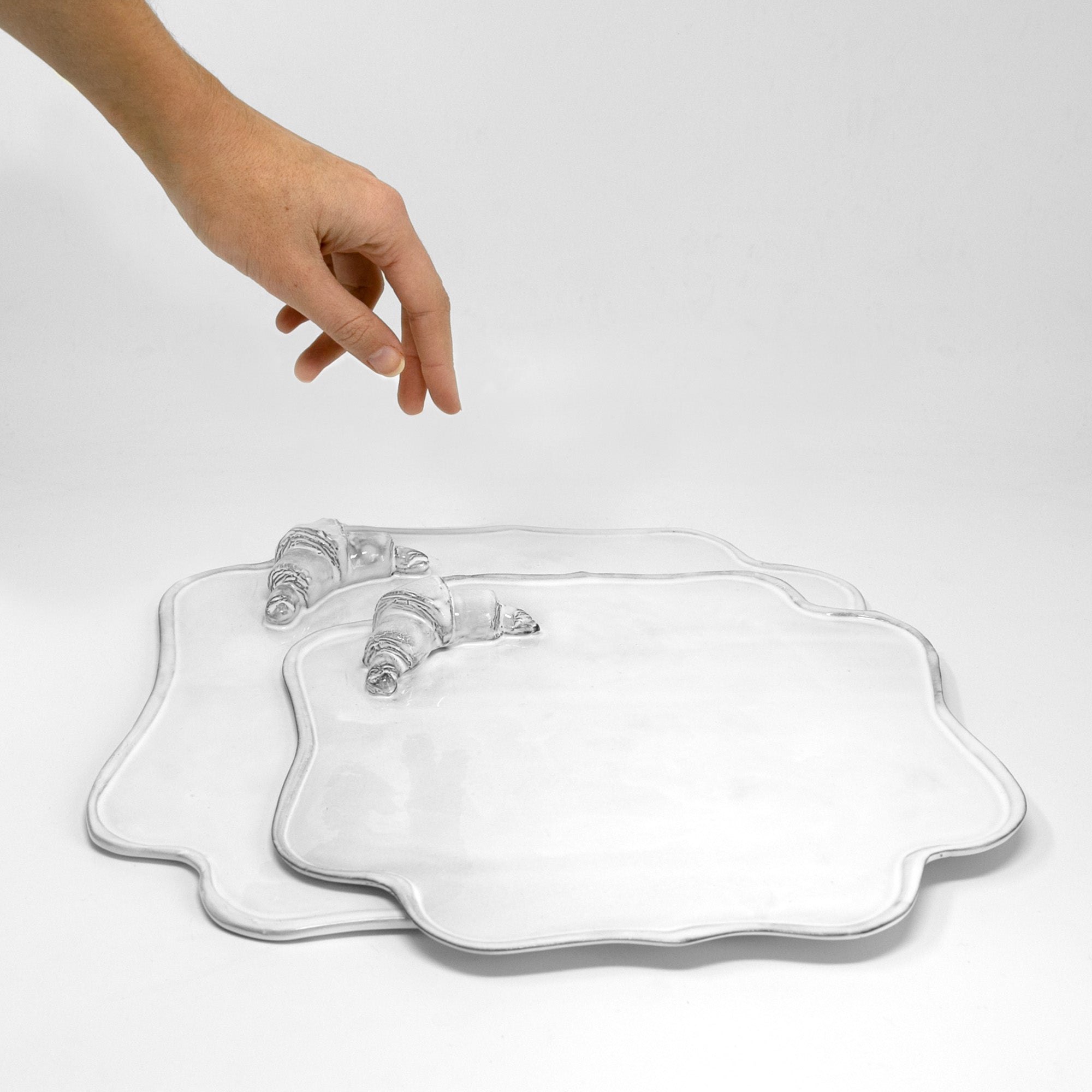
If a plate carries a pattern, centre it facing the guest. And for one more degree of care, warm the plates before serving a hot dish.

How to place cutlery on a table
Forks go to the left of the plate, tines resting against the tablecloth: that is the French way, born in the days when the family monogram was engraved on the back of the fork, and meant to be seen. Knives go to the right, blade turned towards the plate, next to the soup spoon.
When several pieces line up, one simple rule: place them in order of use, from the outside in. The outermost cutlery is for the first course. Fish cutlery, like the rest, is cleared away with its course.
Cheese and dessert cutlery is set above the plate: the cheese knife closest to it, blade towards the plate and handle to the right; then the fruit fork, handle to the left; then the dessert spoon, handle to the right. Each handle points to the hand that will pick it up.
Knife rests belong to family meals, where the same knife serves twice. At a formal dinner they disappear, since cutlery is changed with every course.

How to arrange the glasses
Set at least two glasses of different sizes, the larger for water, the other for wine. If the menu calls for both red and white, make it three.
The glasses stand above the plate, arranged by size from left to right: the water glass, the largest, on the left, then the red wine glass, then the white.
And do not hesitate to mismatch them. Like a jacket worn with jeans, glasses of different origins sitting side by side are perfectly good manners.

The last details
Think of what the meal will call for: carafe, salt cellar, pepper pot, bread basket, mustard pot. Silver, silver plate and crystal hunted down in antique shops sit beautifully next to white earthenware; the mix is part of the charm.
The decoration
The finishing touch is the décor, and the possibilities are endless: candlesticks, small vases holding a few garden flowers, kept low enough that the guests can still see each other. From the most sophisticated table to the simplest, what matters is that it feels warm, welcoming, and that it looks like you.

Compose your own table, online
You can build your table with CARRON piece by piece: choose your plates, your glasses and your details, and shape the table you have in mind. It is the tool couples use to plan their wedding table, and it lends itself just as well to a table you gather little by little.
Compose your table →The table is set; only the kitchen remains. To your stoves, ladies and gentlemen!