Earthenware, stoneware and porcelain all belong to the ceramic family, but they do not use the same clay or the same firing. These differences shape their colour, porosity, weight and feel. Here is how to recognise them, and why CARRON chose handmade earthenware.

Earthenware, stoneware and porcelain at a glance
Ceramics were the first "Fire Art" before metallurgy and glass. Since time immemorial, humans have realized the possibilities of wet earth. They quickly noticed that clay exposed to fire became more solid and harder. From there, it was just a matter of composition and firing.
Ceramics are divided into three main categories: earthenware, stoneware, and porcelain. Each type has its own distinct characteristics, making them suitable for various uses and styles.
| Earthenware (faïence) | Stoneware | Porcelain | |
|---|---|---|---|
| Firing temperature | Low, around 1000°C | High, 1200-1300°C | High, around 1200°C |
| Porosity | Porous, then glazed to seal it | Vitrified, non-porous | Fine, non-porous |
| Look and finish | Richly glazed, wide range of colours | Hard, heavier, often more rustic | Fine, translucent, delicate |
| Typically used for | Tableware, tiles, decor | Everyday cooking and storage | Refined tableware and ornaments |
| Made by CARRON | Yes, handmade in France | - | - |
Earthenware: colour, relief and the mark of the hand
Earthenware, the oldest type of pottery, is a low-fired clay-based "terra cotta," creating a slightly porous product that can be used for building (tiles, bricks, flooring, sanitary ware, decor) or tableware. To overcome its porosity, earthenware is glazed. Earthenware can be painted with multiple decorations and a wide range of colors.
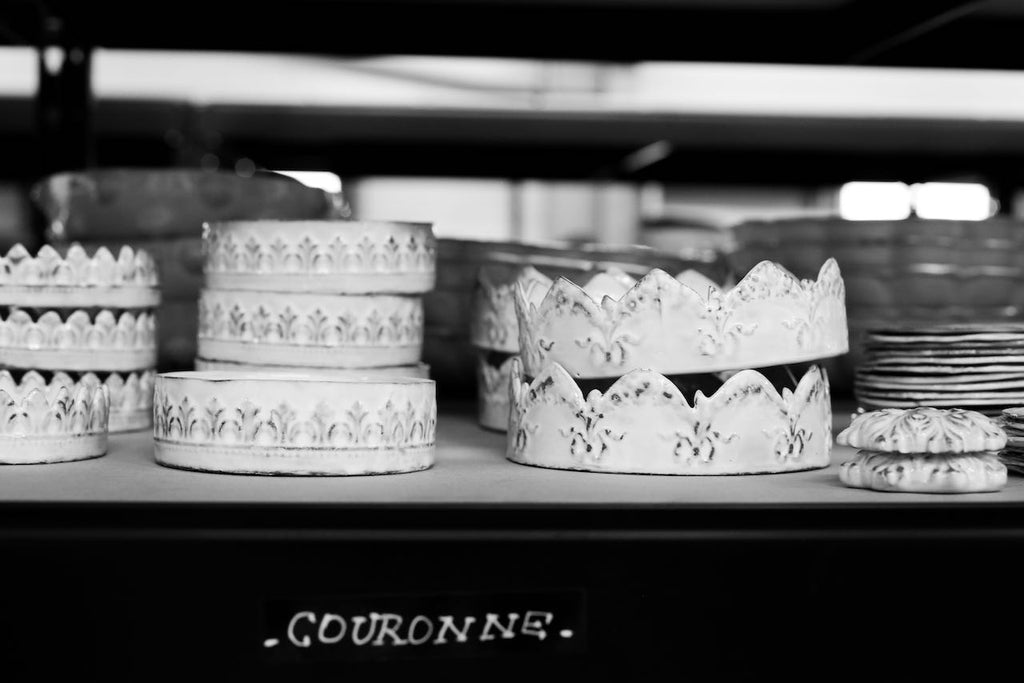
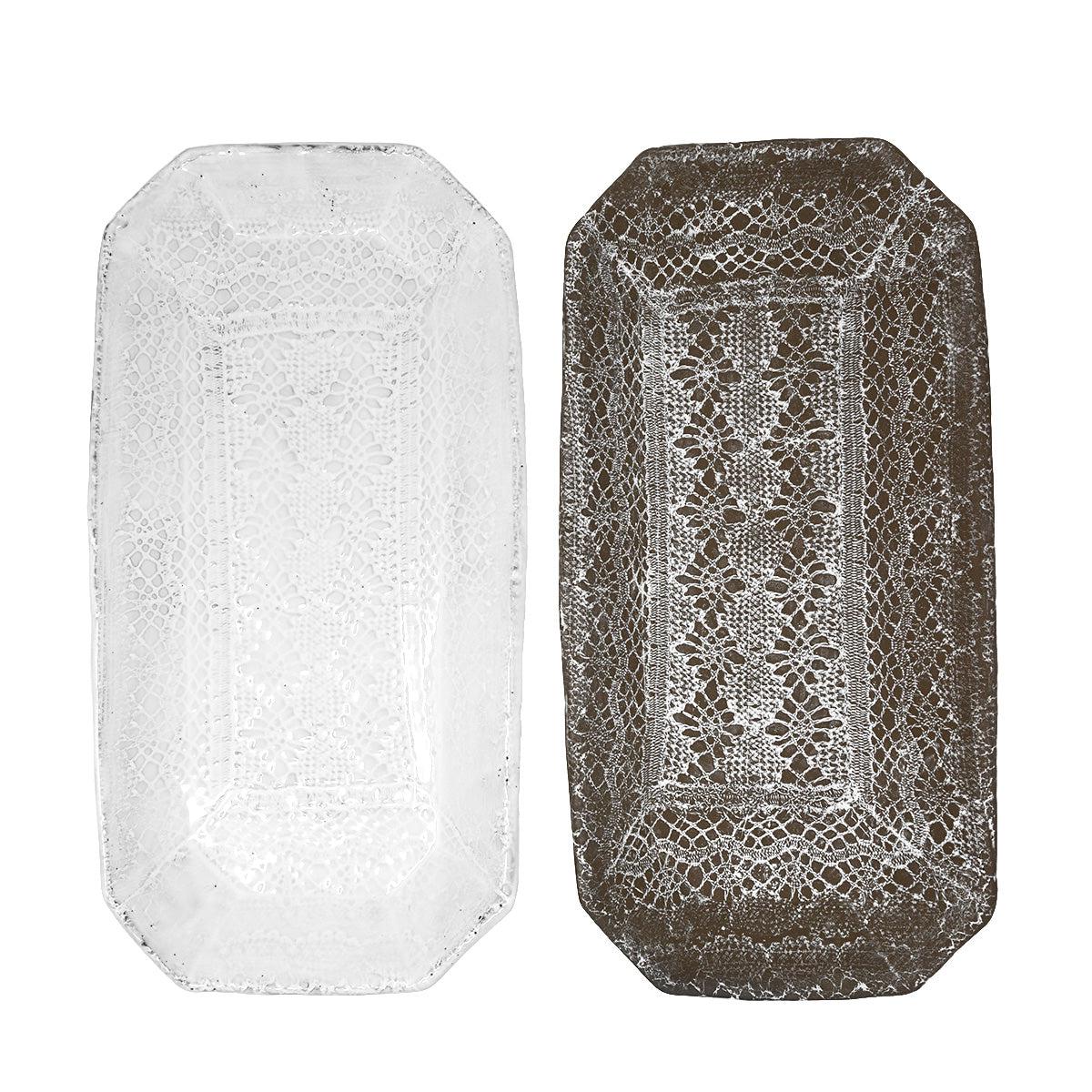
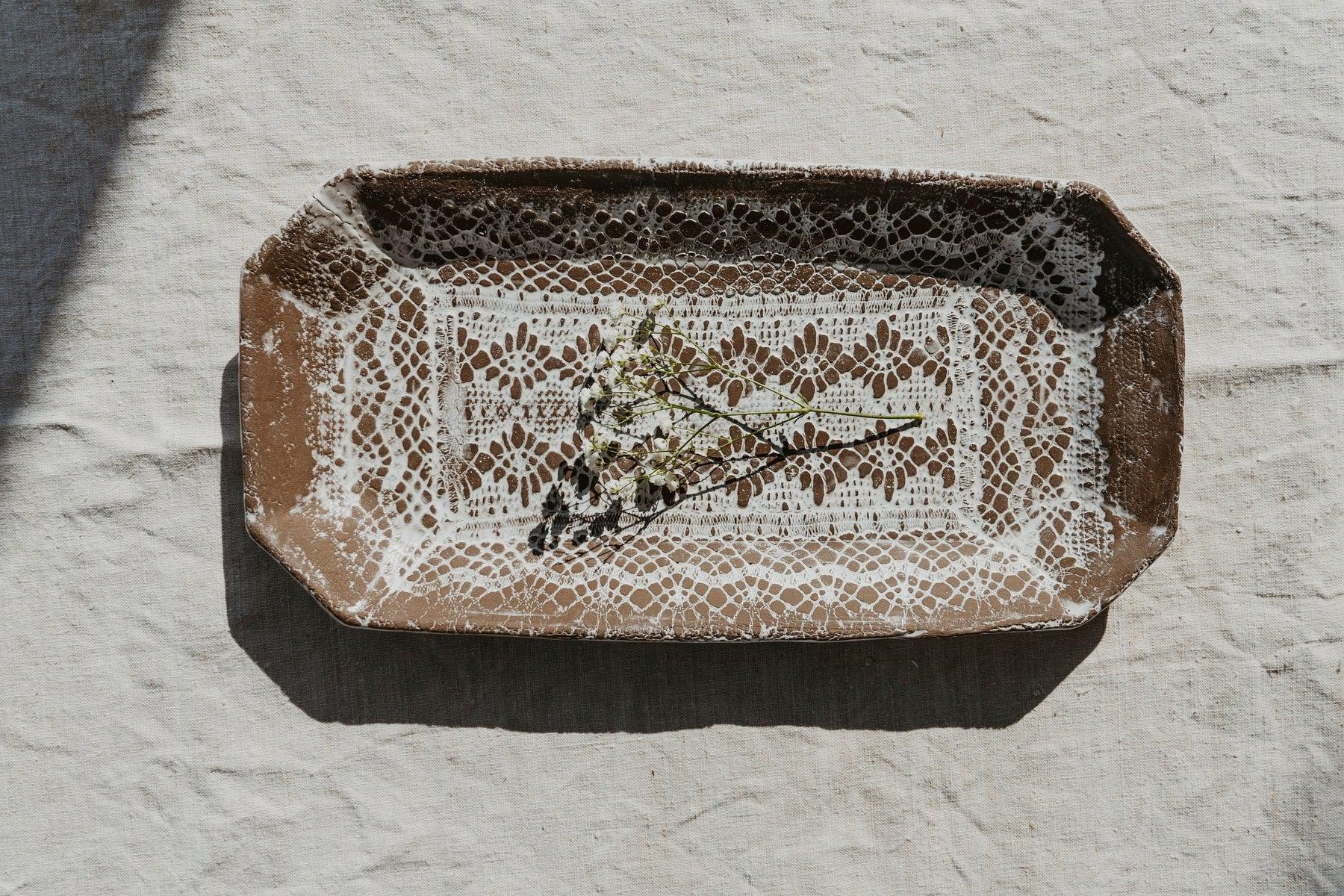
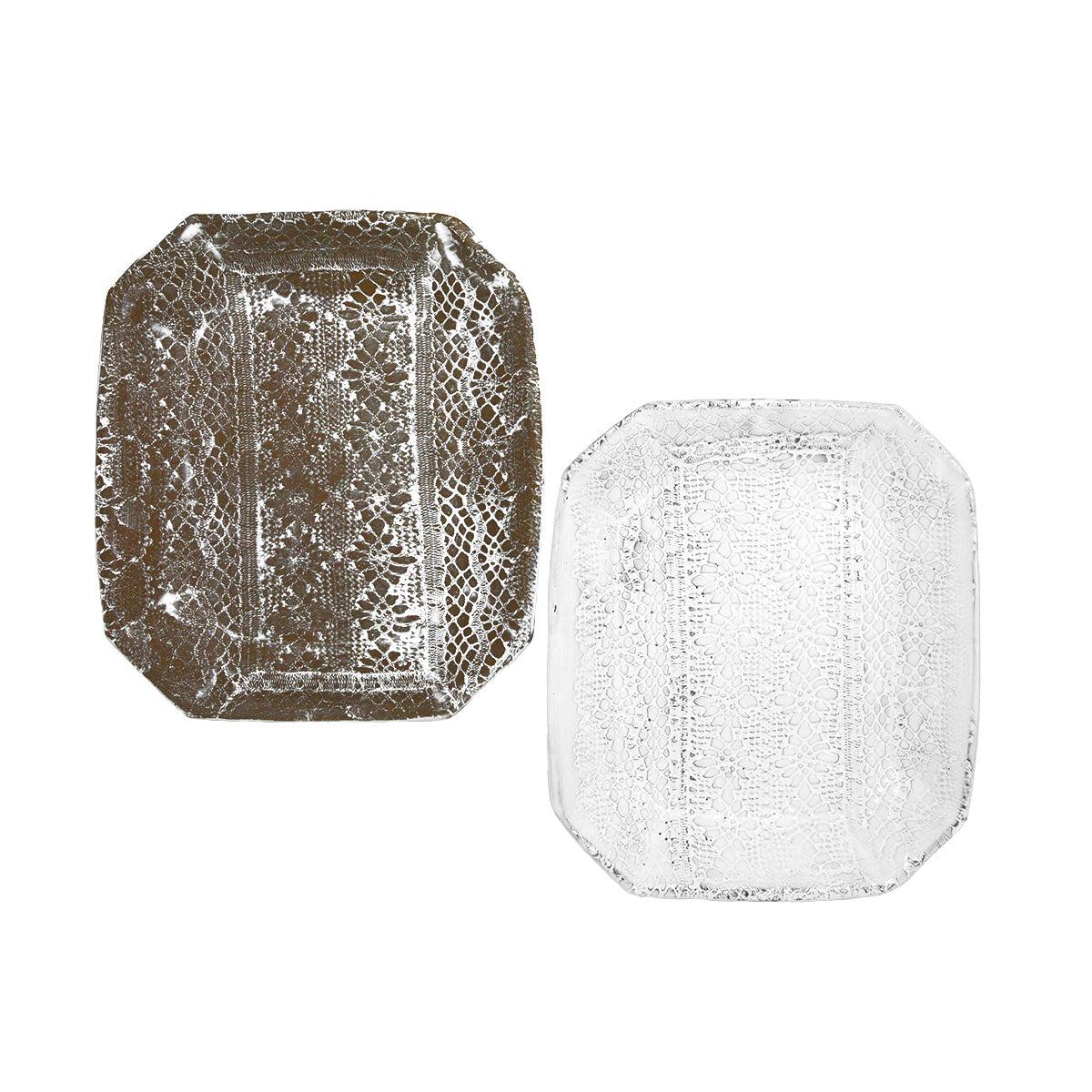
Sensitive to the beauty of ancient earthenware, CARRON creates terracotta ceramics using a unique process, giving birth to fine, unique pieces that highlight the volume and design of the object as well as the artisan's craftsmanship.
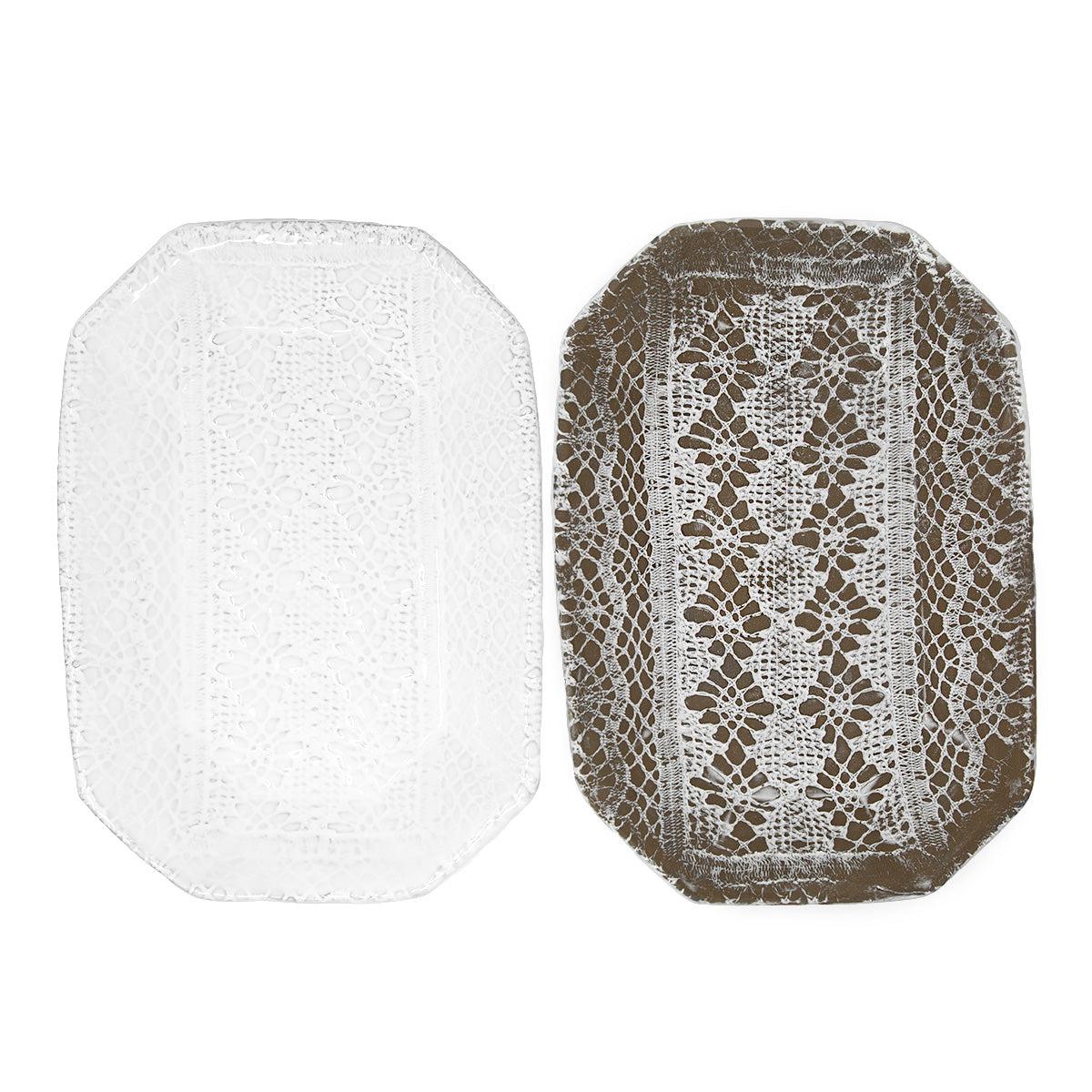
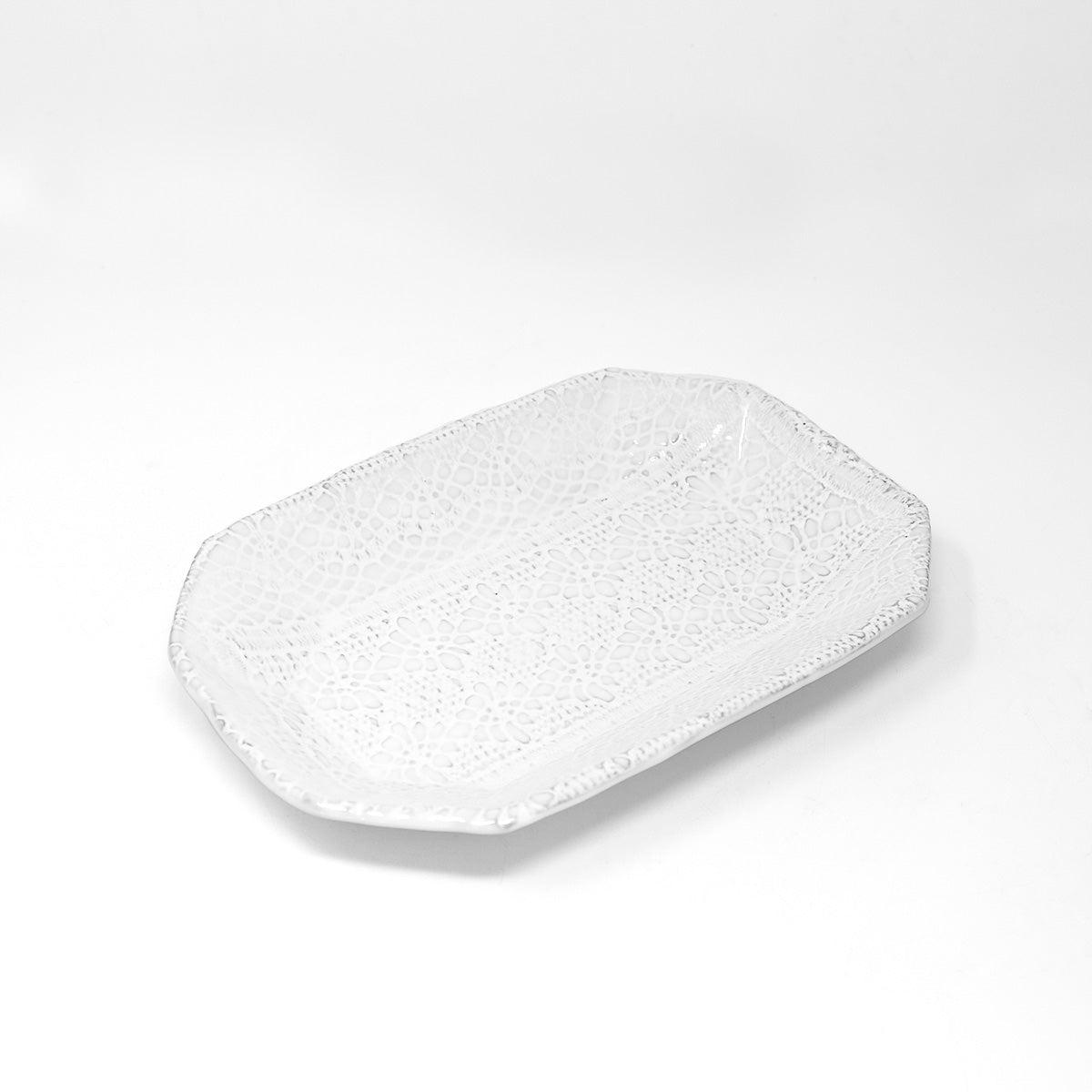
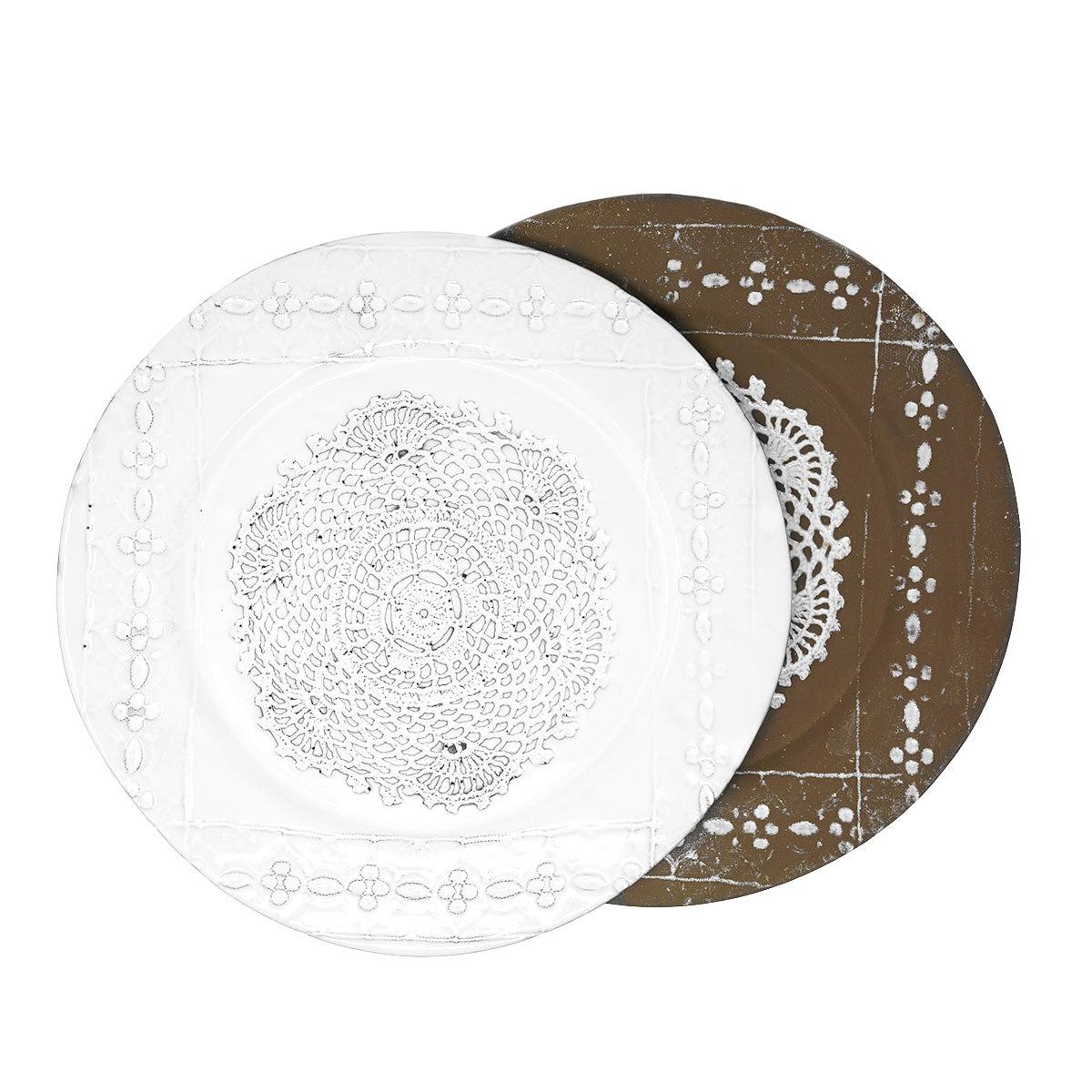
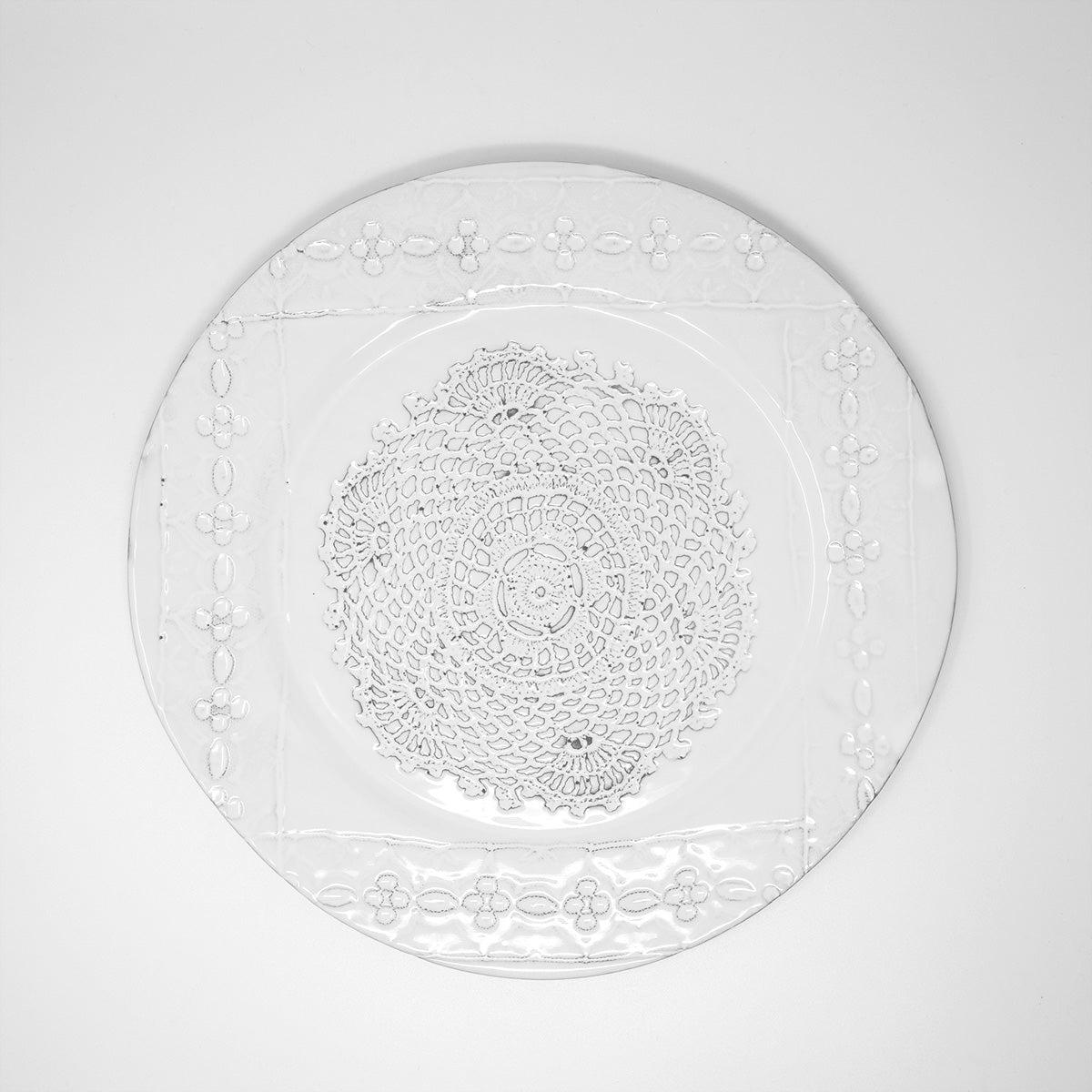
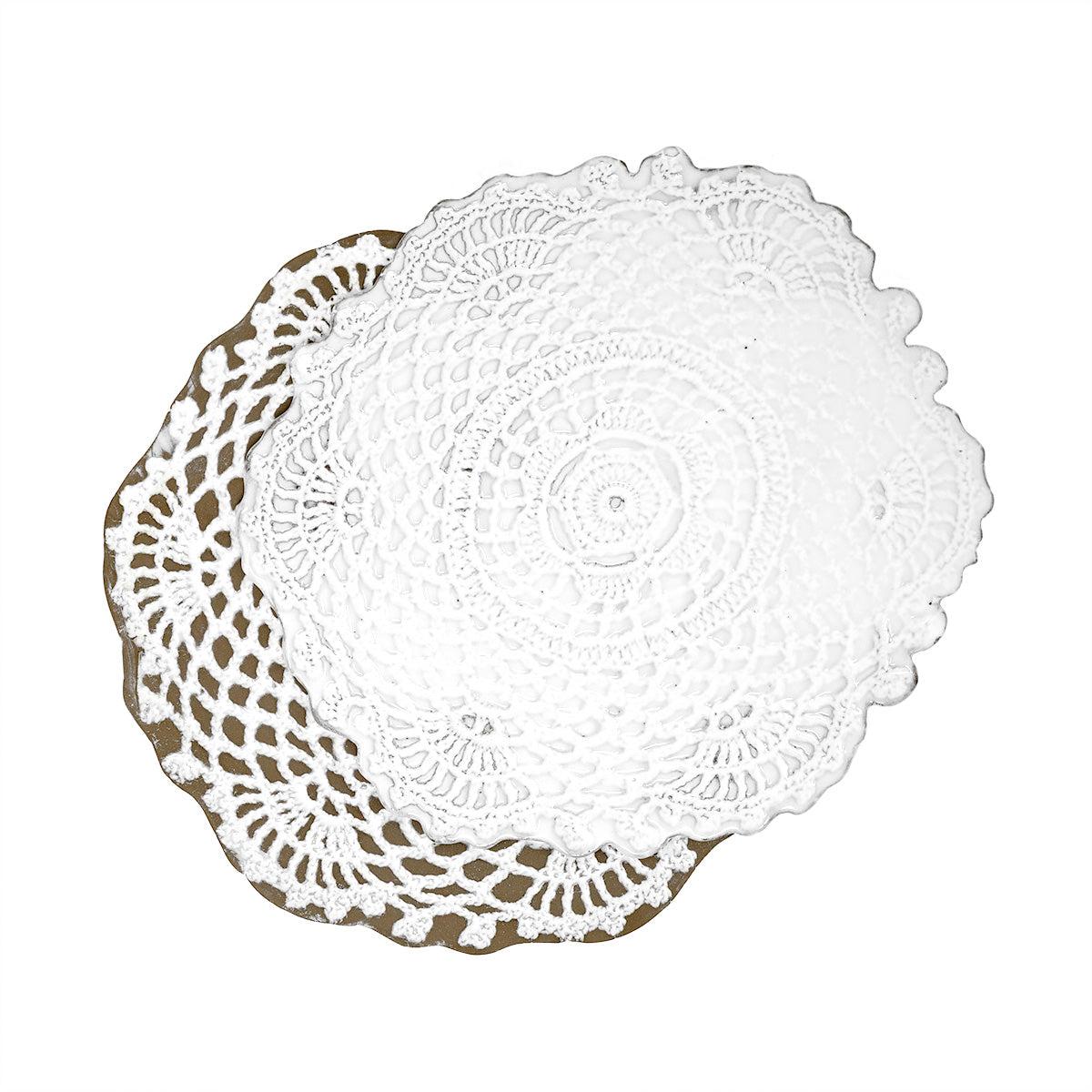
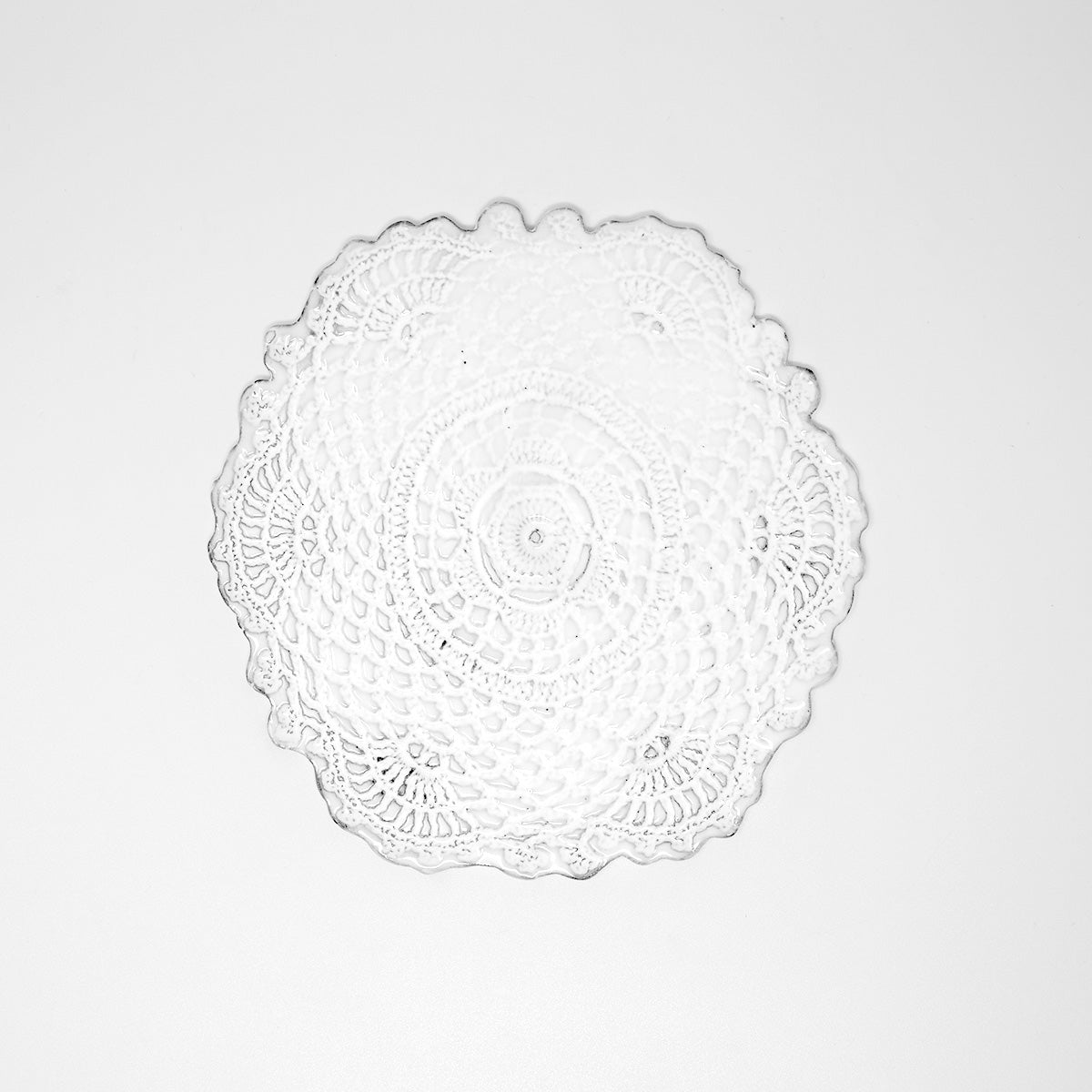
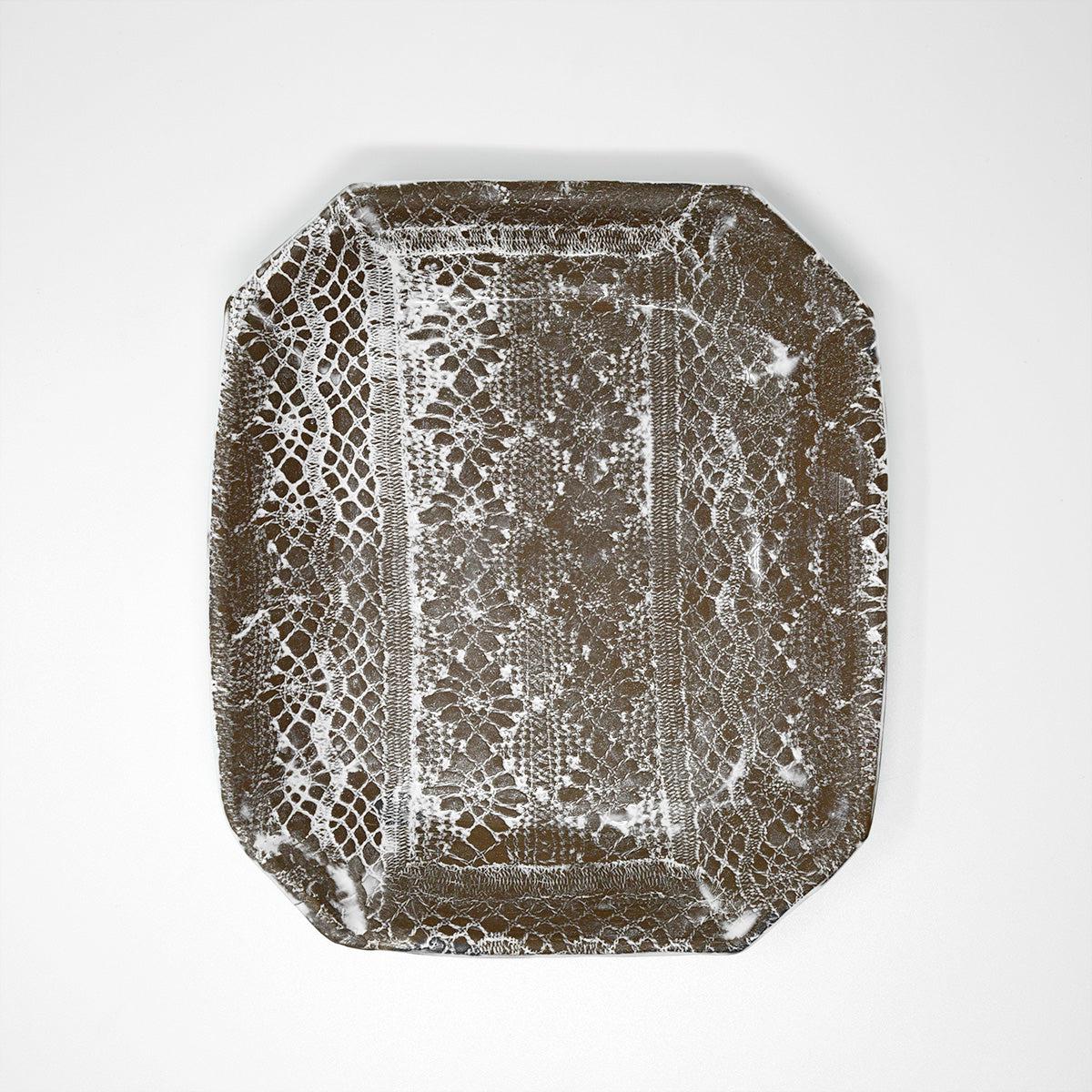
At CARRON, the clay itself is black. Dressed in a milky white glaze, it lets the relief of each piece catch the light; where the enamel thins along an edge, the dark clay shows through and signs the piece.

Above: a piece from Mon Jules, one of CARRON's handmade earthenware collections.
Stoneware: dense, practical and durable
Stoneware is fired at high temperatures, 1200/1300°C, creating a durable and non-porous material. Its vitrified (glass-like) nature makes it suitable for cooking and preserving liquids and food. Stoneware is often thrown on a wheel and serves as a base for various food pottery. Stoneware is characterized by its extreme hardness and excellent resistance to chemical or climatic aggressions. It is versatile and practical, its density making it heavier than earthenware but also less refined in its finish. Stoneware is often left unglazed, but can be glazed or painted in a more rustic way than earthenware or porcelain.

Porcelain: fine, light and regular
Porcelain is made from a kaolin-rich paste and fired at high temperature, generally around 1200°C. It can be thin, resistant, pale and sometimes translucent. It is widely used for tableware and decorative objects.
Porcelain lends itself to casting, a process that produces fine walls and very regular shapes. The result is clear, light and homogeneous. Hand-shaped earthenware follows another path: it keeps the body of the clay, the nuances of the glaze and the trace of the gesture. This presence of the hand is what CARRON chose.

Why CARRON chose earthenware
At CARRON, the clay is black, then covered with a milky white glaze. It sometimes remains visible along an edge or beneath a relief. The rims keep a slight suppleness and the glaze varies from one piece to the next. Earthenware does not seek absolute regularity: it keeps the memory of the hand that shaped it.